
Lost in the sauce
“You need an entire life just to know about tomatoes.” -Ferran Adria
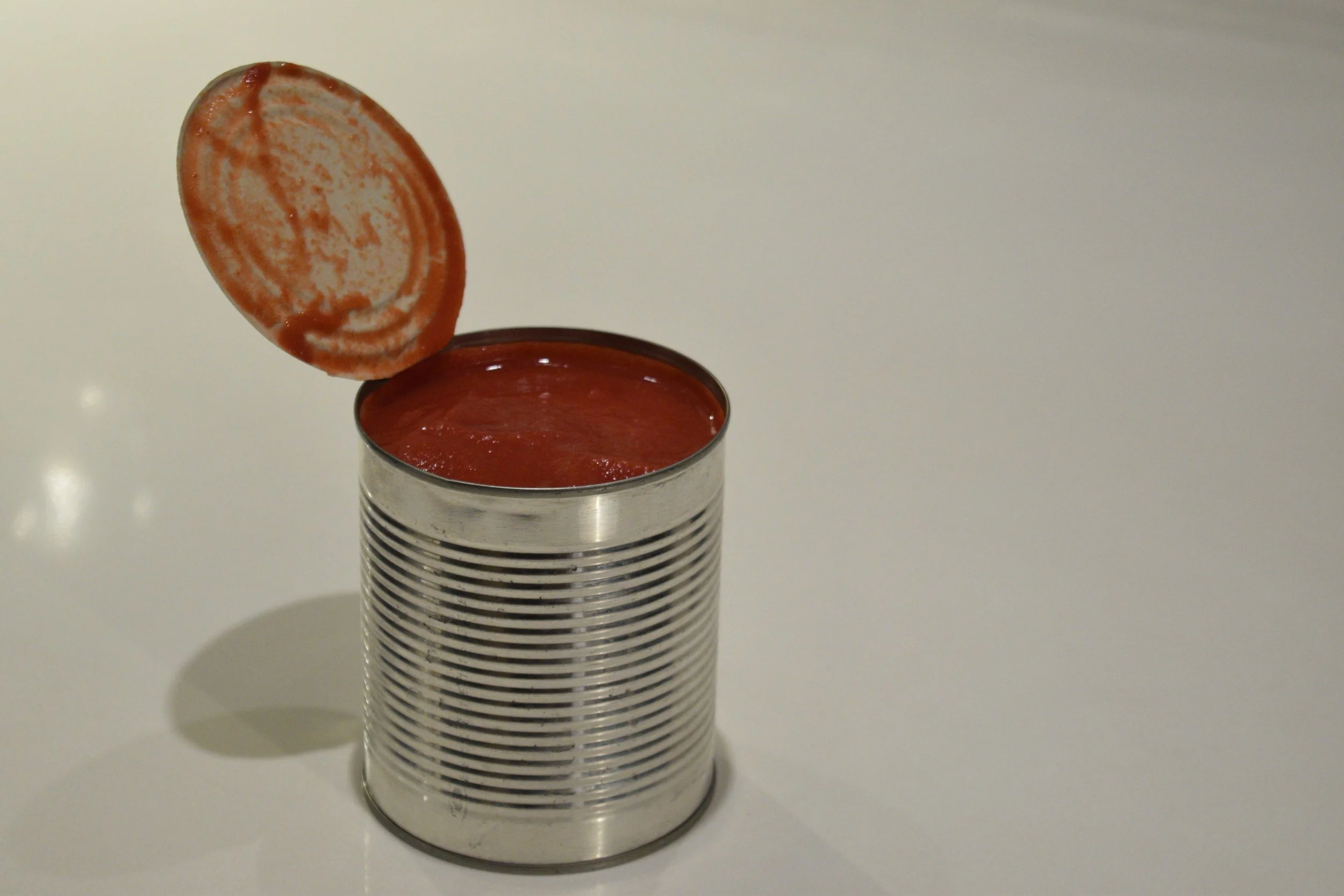
Sometimes we’re really good at over complicating the simple things, tomato sauce seems to be no different. So much scrutiny over ingredients, cooking time, garlic, sugar, carrots and many other things we can’t seem to agree on. At the end of the day what ends up in your pot is your business but if you’re trying to make sauce out of tomatoes start here. Good quality tomatoes, Italian preferably, with some exceptions. Whole peeled, crushed, diced, passata, whatever floats your boat. Tomatoes, salt and maybe basil should be the only ingredients in an exceptional quality of canned tomato.
Now tomatoes are acidic by nature, the better ones less so. Your job is to balance that out, cook down an onion in olive oil so that all that is left is a subtle sweetness. If you like onions add plenty, if not just a little will do. The olive oil you use can be neutral so as to showcase the tomatoes or very bold as to add another layer of depth. Once your onions are good and ready you can add your tomatoes, cook them for 25 to 45 minutes on a medium to low heat to avoid too much reduction. An overcooked sauce tends to become dark and acidic, finding the balance of freshness and sweetness it the key. Don’t forget to salt as you go and taste what you cook!
This is usually around the time when the confusion starts to kick in and people tend to get offended. Sugar has no place in tomato sauce, carrots do little to balance out acidity and affect the flavour, your whole bloody spice cabinet can stay where the f*** it is. A bay leaf, some fresh basil, a rind of parm, never hurt anyone. If you like garlic add it with your onions at the beginning, this will give the sauce a completely different style so keep that in mind, garlic is great but it’s not for everyone. This is a guide for those who need it, not a rulebook to abide by. That’s it, simple sauce. The base for parmigiana, meatball braising, pasta al pomodoro and so many classics.
Once the basic concept is understood, the time comes for more ingredients and different flavour profiles. Simple additions like anchovies, guanciale, chilies, etc. can take your sauce in another direction. Making meat sauces and ragù require more technique, vegetables, wine, spices…often very long cooking times (fat from meat balances out the acidity of reduced tomatoes).
Hopefully I have provided some form of structure for your future red sauce endeavours. Italian cooking is the minimal intervention of quality ingredients, less is more, don’t get it twisted.